

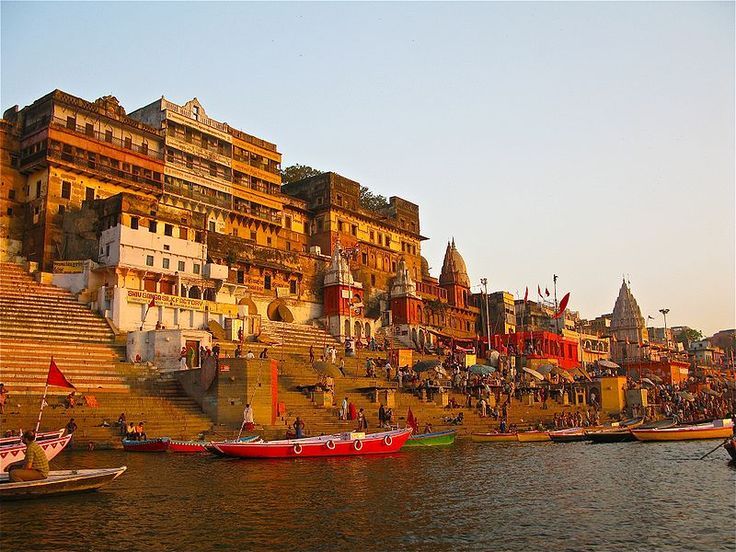
Varanasi, also known by its ancient names Kashi and Banaras, is widely regarded as one of the oldest continuously inhabited cities in the world. Situated on the banks of the sacred River Ganga in Uttar Pradesh, the city holds a unique place in Indian history, religion and culture. More than just a geographical location, Varanasi represents a living tradition where faith, routine life and spiritual belief exist side by side.
For centuries, pilgrims, scholars and travellers from across India and around the world have been drawn to Varanasi. The city’s atmosphere is shaped by the constant presence of prayer, ritual and reflection. From early morning chants to evening ceremonies by the river, spirituality is deeply woven into everyday life.
Spiritual Importance in Hindu Tradition
Varanasi holds exceptional religious significance for Hindus. According to belief, the city was founded by Lord Shiva and remains under his divine protection. This association has made Varanasi one of the most sacred pilgrimage destinations in Hinduism.
At the heart of the city stands the famous Kashi Vishwanath Temple, dedicated to Lord Shiva. It is considered one of the holiest Shiva temples in India. Devotees believe that offering prayers at this temple and taking a holy dip in the River Ganga can cleanse sins and bring spiritual peace. For many, visiting Varanasi is seen as a step toward spiritual liberation.
The Ghats and the Rhythm of the River
The ghats of Varanasi are among the city’s most recognisable and meaningful features. These long stone steps along the Ganga serve as spaces for prayer, meditation, bathing and religious rituals. From sunrise to sunset, the ghats are filled with devotees, priests, pilgrims and visitors, each participating in their own form of worship or reflection.
One of the most iconic experiences in Varanasi is the evening Ganga Aarti. Performed daily, this ceremony involves priests offering lamps, chanting mantras and ringing bells in devotion to the river goddess. The glowing lights reflected on the water, combined with rhythmic chants, create a deeply moving spiritual atmosphere that leaves a lasting impression on those who witness it.
A Center of Learning, Art and Music
Beyond its religious importance, Varanasi has long been a center of education, art and culture. The city is home to Banaras Hindu University, one of India’s most respected institutions of higher learning. For generations, scholars and students have come to the city to pursue studies in science, humanities, philosophy and traditional Indian knowledge systems.
Varanasi is also famous for its contributions to Indian classical music. Many legendary musicians have been associated with the city, making it an important hub for both vocal and instrumental traditions. The city’s artistic heritage is equally reflected in its famous Banarasi silk sarees, known for their fine craftsmanship and rich designs.
Lanes, Markets and Everyday Life
The narrow lanes of Varanasi offer a glimpse into the city’s everyday rhythm. Small temples, sweet shops, silk stores and street food vendors line these winding streets. The aroma of incense, the sound of temple bells and the movement of people going about their daily routines together create a distinctive atmosphere that captures the essence of traditional Indian life.
Street food in Varanasi is also well known, with local favourites attracting both residents and visitors. These everyday cultural elements make the city feel alive and deeply connected to its roots.
A City Where Past and Present Coexist
Despite modern development, Varanasi has retained its ancient character. New infrastructure and growing tourism exist alongside centuries-old temples, rituals and traditions. This coexistence of the old and the new gives the city its unique identity.
Varanasi continues to evolve, but it does so while preserving its spiritual and cultural heritage. It stands as a rare example of a city where history is not confined to museums but is lived and experienced daily by its people.
Read more : https://indiahunt.in/andrea-kevichusa-shines-as-nima-in-the-family-man-3/
