

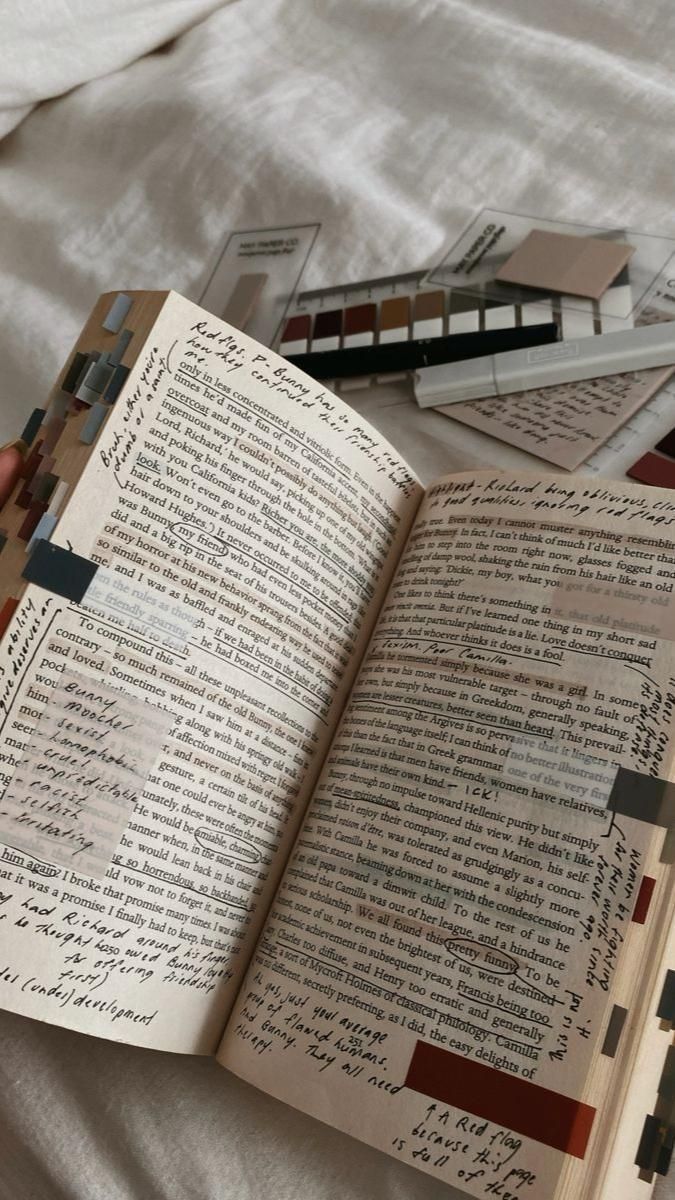
To some, writing in books feels like vandalism. To others, it is intimacy. Marginalia; those notes, underlines, and quiet reactions scribbled along the edges of pages; form an invisible conversation between the reader and the text. Long after the author has spoken, the reader answers back.
This practice transforms reading from consumption into collaboration.
Reading as an Active Encounter
When a reader annotates, the book becomes a space of thinking rather than a finished object. Questions, disagreements, sudden recognitions, and emotional responses find physical form. The margin becomes a site where interpretation is born.
A line is not merely read; it is responded to.
Intellectual History in Handwriting
Historically, marginalia were signs of serious scholarship. Philosophers, poets, and students filled pages with arguments, translations, and reflections. These traces reveal how texts were understood in their time, turning private reading into cultural record.
The margin preserves thought in motion.
Emotional Imprints

Not all marginalia are analytical. Some are confessions: “This hurts,” “I know this feeling,” “This is exactly it.” Such notes mark moments where literature touches lived experience. The book becomes a mirror, and the margin holds the echo.
These small responses carry personal history.
Ownership and Relationship
Writing in a book asserts a relationship to it. The text is no longer untouched; it has been lived with. The physical act of marking a page signals belonging, as if the reader were leaving proof of having been present.
The book becomes a shared space rather than a sealed authority.
Digital Reading and the Vanishing Margin
E-readers allow highlighting, but the tactile, personal quality of handwriting is altered. The permanence of ink, the pressure of a pen, the idiosyncrasy of script; all these make traditional marginalia uniquely human.
The future of reader-text dialogue may change, but the impulse remains.
Why Marginalia Endure
To write in the margins is to acknowledge that meaning is not fixed. It evolves with each reader, each moment, each return. The printed line is stable; the response is living.
In the narrow space beside the text, thought continues to grow.
Conclusion
Marginalia reveal reading as an act of presence. They show how literature invites not silence, but reply. Between line and margin, a second narrative unfolds: the story of how a mind met a book and chose to speak back.
