


In contemporary literary culture, attention is overwhelmingly directed toward writers—their visibility, productivity, platforms, and relevance. Readers, meanwhile, have quietly slipped out of focus. Literature increasingly appears as something to be performed, shared, and displayed, rather than privately read and absorbed.
This shift marks a subtle but significant change in how literature is experienced today.
Reading in the Digital Age
Social media has transformed reading into a public act. Books are photographed, quotes are circulated, and opinions are expressed almost instantly. Reading is no longer confined to the private space between a reader and a text; it unfolds in timelines, comment sections, and reviews.
In this environment, reading becomes a form of participation rather than contemplation. To read is also to react.
From Engagement to Performance
Digital platforms reward articulation over reflection. Readers are encouraged to summarise, evaluate, and respond quickly. The pressure to perform understanding often replaces the slower process of engagement.
As a result, uncertainty and silence—once central to the reading experience—are treated as absence. Literature, which thrives on ambiguity and delayed meaning, is increasingly reduced to digestible insights and quotable moments.
The Loss of Slow Reading
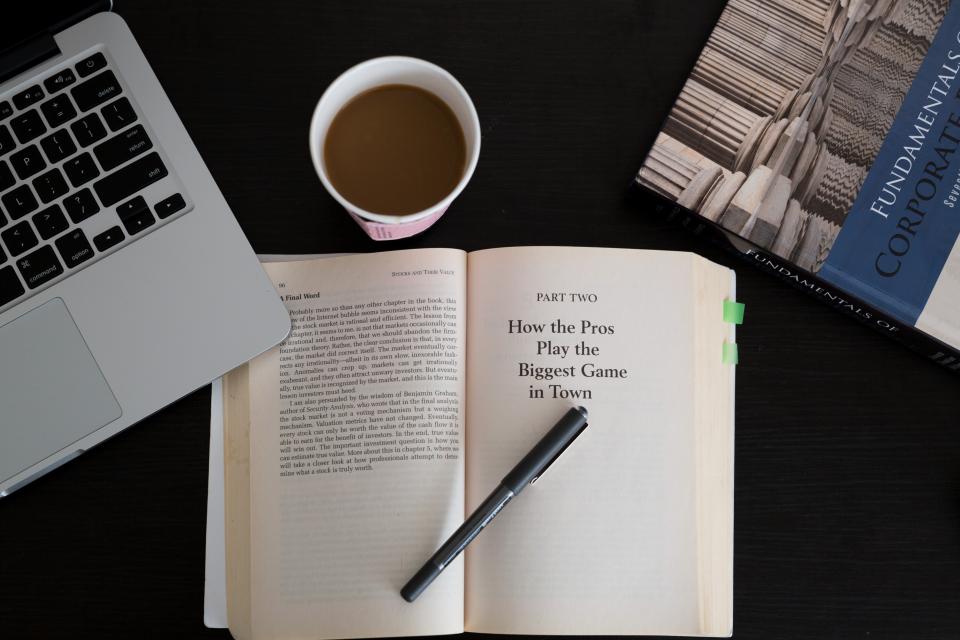
Slow reading requires time, patience, and uninterrupted attention. These conditions are increasingly difficult to sustain in a culture shaped by notifications, productivity metrics, and algorithmic speed. Long texts demand a form of presence that digital life actively discourages.
The decline of slow reading is not simply a matter of habit; it reflects a broader discomfort with stillness and interiority.
Reading as Cultural Capital
Reading today is often framed as a marker of identity—what one reads, shares, or endorses signals taste, politics, and belonging. Literature becomes a means of self-presentation, where visibility matters as much as comprehension.
This performative aspect alters the relationship between reader and text. Instead of allowing a book to unsettle or confuse, readers may feel compelled to arrive quickly at certainty.
Why the Reader Matters
Historically, the power of literature has depended on the reader’s anonymity. Reading allowed for misinterpretation, contradiction, and private transformation. When every response must be articulated, literature loses its ability to work quietly and gradually.
The reader’s disappearance is not about fewer people reading, but about the loss of reading as an interior, unmonetised experience.
Reclaiming the Act of Reading
To read without immediately sharing, reviewing, or explaining is increasingly radical. It resists the demand for constant output and allows literature to exist beyond metrics and performance.
In an age obsessed with expression, reclaiming the reader means reclaiming the right to silence.
Conclusion
The future of literature does not depend solely on writers or platforms, but on readers willing to linger, doubt, and read without witnesses. Literature needs readers who are present rather than visible.
In the age of performance, the quiet reader may be literature’s last form of resistance.
