

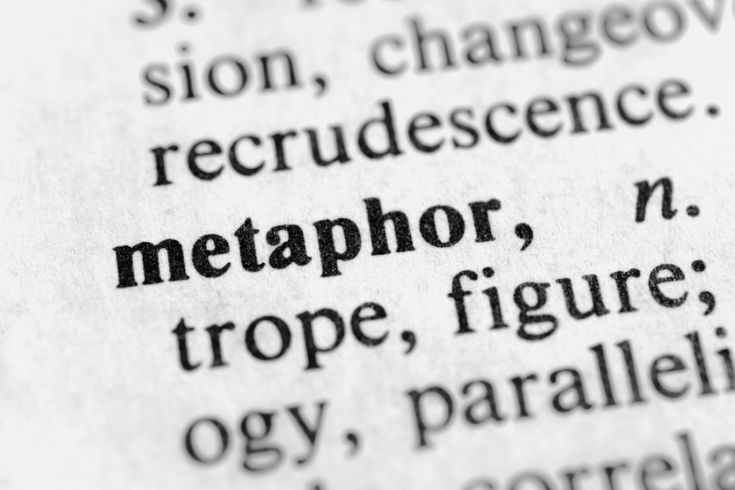
The Metaphor is one of the oldest and most powerful tools of literary expression. It allows writers to translate abstract emotion and complex experience into concrete images. Through metaphor, love becomes a journey, grief becomes a weight, time transforms into a river and memory becomes a shadow. Language begins to think in pictures.
In literature, metaphor is not decoration; it is a way of understanding the world.
Thinking Beyond Literal Meaning
Human experience often exceeds direct description. Feelings such as loss, desire, alienation, or hope resist precise definition. Metaphor bridges this gap by allowing one reality to be understood through another. A storm can stand in for inner turmoil, a cracked mirror for fragmented identity.
The image carries what explanation cannot.
Emotional Recognition Through Symbol
Metaphor works because it activates recognition rather than instruction. When a reader encounters an image that resonates, understanding happens intuitively. The emotion is not explained; it is felt. This immediacy gives literature its psychological depth.
We do not analyse first; we experience.
Cultural and Historical Memory in Metaphor
Many metaphors are shaped by shared cultural experience. Seasons signify time, darkness suggests fear, light implies revelation. Such images accumulate meaning across centuries of use, creating a symbolic vocabulary that links readers across history.
Metaphor becomes collective memory in condensed form.

The Imaginative Leap
Every metaphor requires an imaginative act: to see one thing as another. This leap trains the mind in flexibility, association, and abstraction. It teaches readers to perceive connections between seemingly unrelated realms.
Literary imagination is exercised through comparison.
Metaphor and Identity
Writers often use metaphor to explore selfhood. The mind becomes a landscape, the body a boundary, society a cage or a stage. Through these figurations, identity is examined not as a fixed fact but as an evolving structure of feeling and relation.
The self is understood through image.
Why Metaphor Endures
Long after plot details fade, images remain. A single metaphor can condense an entire emotional world into one lasting impression. This durability gives literature its power to linger in memory.
An image once seen is rarely forgotten.
Conclusion
Metaphor reveals how literature thinks: not in arguments, but in visions. By translating experience into image, it allows readers to grasp complexity through sensation and association. In this way, literature does not merely describe reality; it reshapes how reality is imagined and felt.
Through metaphor, language learns to see.
