

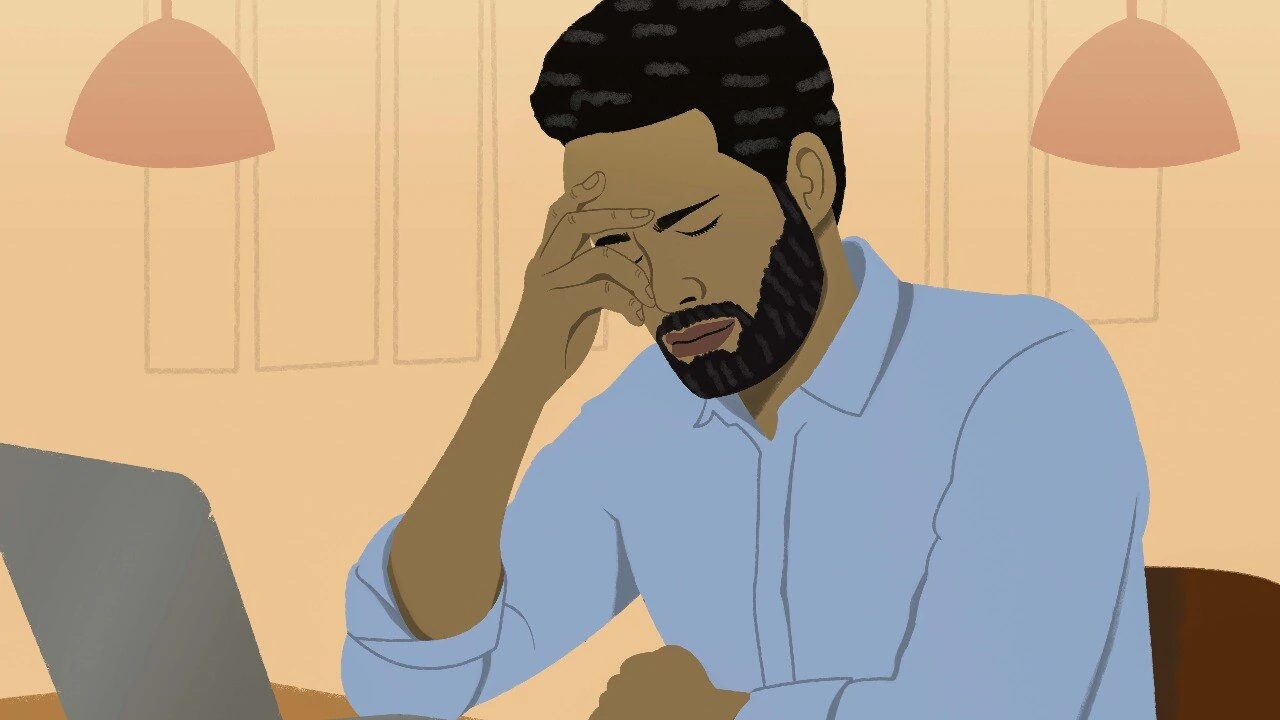
Scroll through Indian search trends or content platforms today, and one phrase appears with relentless frequency: side hustle. From freelancing and content creation to passive income and online businesses, the idea of earning “extra” has become not just aspirational, but necessary. Beneath the motivational reels and success stories, however, lies a quieter truth—India’s side hustle obsession is driven less by ambition and more by anxiety.
When One Salary Is No Longer Enough
For India’s expanding middle class, financial stability has become increasingly fragile. Rising living costs, stagnant wages, student loans, medical expenses, and housing pressures have turned the promise of a single, stable job into a myth. The side hustle emerges not as a passion project, but as a coping mechanism.
What is often marketed as “financial freedom” is, in reality, financial survival. The pressure to monetize every spare hour reflects a deep-seated fear: that doing just one job is no longer enough to stay afloat, let alone move forward.
The Hustle as a Moral Ideal
Hustle culture in India has taken on a moral tone. Productivity is praised; rest is viewed with suspicion. Those without side incomes are subtly framed as lacking drive or vision. Social media reinforces this narrative, celebrating exhaustion as dedication and overwork as discipline.
This shift quietly rewrites the idea of success. It is no longer measured by stability or satisfaction, but by constant motion. The middle class, once defined by predictability and security, now finds itself trapped in a cycle of perpetual self-optimization.
Digital Platforms and the Illusion of Accessibility
The rise of digital platforms has made side hustles appear universally accessible. Anyone, we are told, can freelance, start a channel, sell a course, or build a brand. But this narrative ignores structural realities—unequal access to time, technology, mentorship, and safety nets.
For many, the hustle economy is not empowering but precarious. Irregular income, lack of job security, and absence of benefits turn flexibility into vulnerability. Yet these risks are rarely acknowledged in success-driven discourse.
Burnout Disguised as Motivation
Perhaps the most troubling aspect of the side hustle obsession is how burnout is normalized. Long working hours, constant upskilling, and the pressure to remain relevant create a state of permanent exhaustion. Mental health concerns are addressed not by reducing pressure, but by offering productivity hacks to endure it better.
The question then arises: if an entire generation must constantly hustle to feel secure, what does that say about the systems meant to support them?
A Symptom, Not a Solution
India’s side hustle culture is not the problem—it is the symptom. It reflects deeper economic insecurities, shrinking safety nets, and a workforce navigating uncertainty with limited institutional support. The glorification of hustle often distracts from necessary conversations about fair wages, job protection, and sustainable work cultures.
Until stability is no longer seen as laziness and rest as failure, the hustle will continue—not as a choice, but as a compulsion.
Conclusion: Rethinking Success and Security
The side hustle may promise control in an unpredictable world, but it also reveals a collective unease about the future. For India’s middle class, the obsession with earning more is ultimately an attempt to feel safe.
Perhaps the more urgent question is not how to build another income stream—but why so many people feel they must.
