

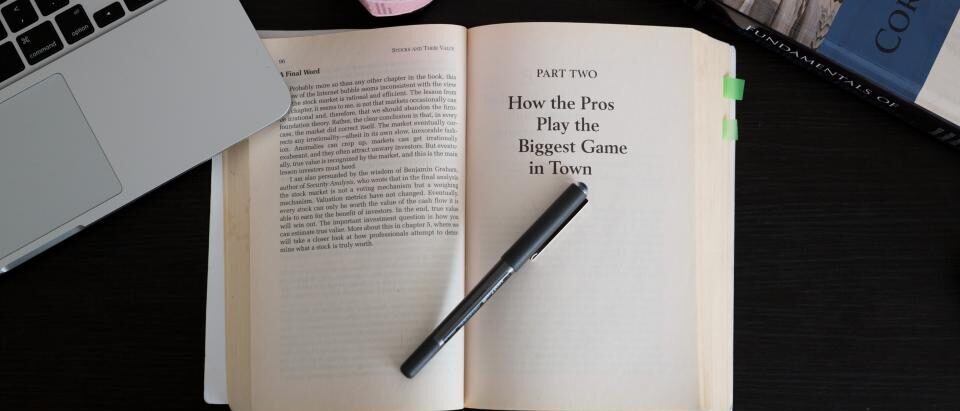
Before a plot unfolds, before a character is understood, before a world is built, a single sentence stands alone. The opening line of a literary work carries an extraordinary burden: it must invite, intrigue, and orient the reader all at once. In many ways, it determines whether a reader will step into the story or quietly close the book.
The first sentence is a threshold.
Creating Immediate Atmosphere
An opening line establishes tone within seconds. It may signal tragedy, irony, intimacy, or distance. Through rhythm, word choice, and perspective, the reader senses what kind of emotional world they are about to enter. A calm beginning promises reflection; a violent one suggests upheaval.
Before meaning is processed, mood is felt.
Introducing Voice and Authority
The first line also introduces the narrative voice. Is it confessional, omniscient, detached, humorous, or unreliable? The reader subconsciously decides whether to trust this voice, to follow it, to invest attention in it.
This moment of judgement shapes the entire reading experience.
Hook Without Sensation
A powerful opening does not rely on shock alone. It creates curiosity rather than spectacle. It suggests complexity, raises a quiet question, or presents a tension that demands continuation. The best openings do not explain; they promise.
They open a door without revealing the whole room.
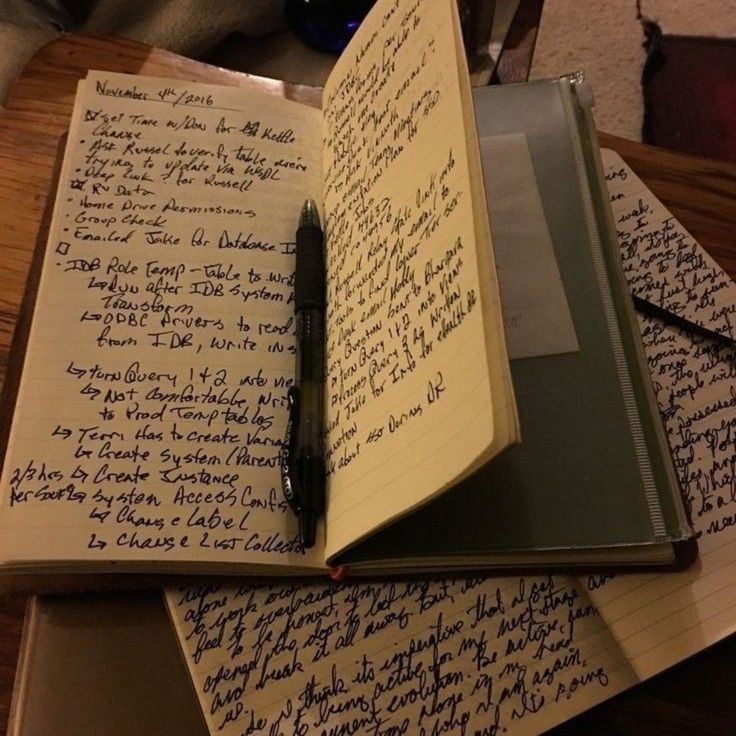
The First Line as Thematic Seed
Often, the concerns of the entire work are compressed into its first sentence. Time, memory, loss, identity, power—these themes may appear in miniature, unfolding later in fuller form. The opening line becomes a conceptual blueprint.
What begins as a hint becomes a structure.
Why Readers Remember Beginnings
Last lines offer closure, but first lines create attachment. They mark the moment of entry into another consciousness. Years later, readers may forget details, yet recall exactly how a book began. The beginning becomes a point of origin, both narrative and emotional.
It is where the relationship with the text starts.
Crafting the Perfect Beginning
Writers often spend more time on the first sentence than any other. It must be precise without being heavy, suggestive without being obscure. It must carry confidence, as though the story already knows where it is going.
The first line is a promise that the rest of the book must keep.
Conclusion
The opening line is not merely an introduction; it is an invitation, a tone-setter, and a declaration of intent. In that single sentence, the reader decides to trust, to follow, to surrender time and attention.
All journeys in literature begin with one line—and some of them are unforgettable.
