

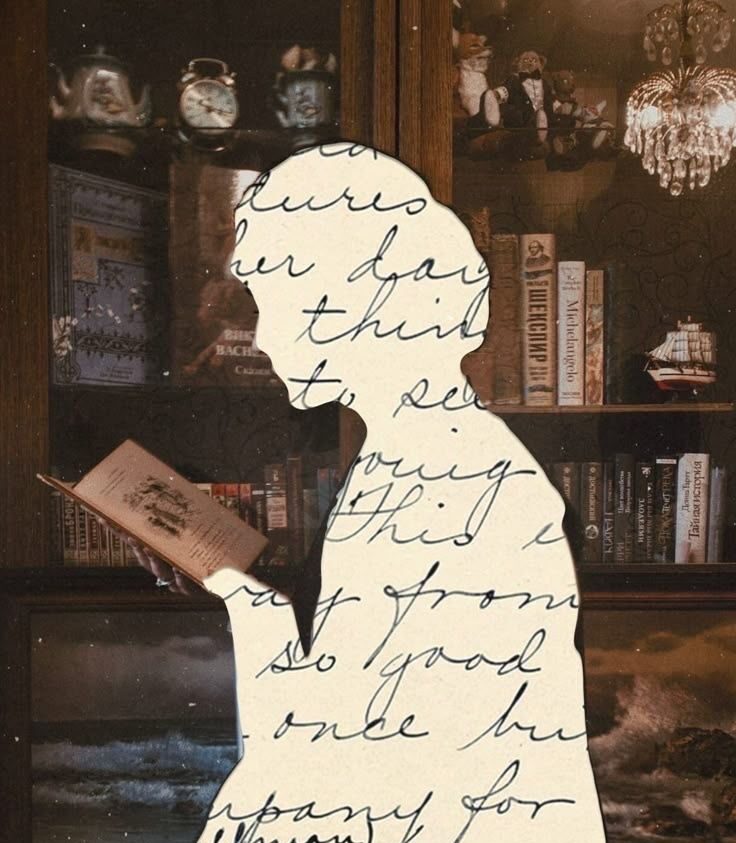
Some characters end when the book closes, while others linger. They reappear in thought, in conversation, in comparison. They become reference points for emotion, morality, and memory. Long after plots are forgotten, these fictional people continue to occupy mental and emotional space.
This persistence suggests that characters do not belong only to texts. They acquire an afterlife.
When Characters Outgrow Their Stories
Readers often remember characters more vividly than events. The arc may blur, but a voice, a gesture, or a decision remains. This is because characters function less as narrative devices and more as psychological presences.
They carry contradictions, fears, and longings that mirror human complexity. Once encountered, they are no longer confined to the world of the book.
Identification and Emotional Continuity
To care for a character is to extend empathy beyond the real. Readers project themselves into imagined lives, rehearsing emotions, losses, and choices. This imaginative identification creates a form of emotional continuity: the character’s struggles begin to echo within the reader’s own inner life.
In this way, literature becomes a space where feelings are practiced, not merely observed.
The Ethics of Remembering Characters
Certain characters become moral touchstones. Their actions raise questions that remain unresolved. Would we have chosen differently? Were they justified? Did they fail, or were they failed by their circumstances?
These lingering questions reveal how fiction shapes ethical imagination. Characters do not simply entertain; they complicate judgement.

Cultural Memory and Shared Figures
Some fictional figures move beyond individual reading and enter collective memory. They become symbols, metaphors, and shorthand for entire experiences. Their names alone evoke themes: alienation, ambition, rebellion, longing.
This shared recognition gives characters a social life. They circulate across generations, contexts, and interpretations.
Why Letting Go Is Difficult
Parting from a character can feel like a quiet loss. This is not sentimentality; it is a recognition of time spent in intimate proximity to another consciousness, even an imagined one.
The end of a novel closes a relationship, not just a narrative.
Characters as Emotional Archives
Characters often hold what readers cannot articulate themselves. They embody fears, desires, and contradictions that feel unspeakable. Returning to them is a way of revisiting one’s own unfinished questions.
Their endurance lies in this capacity to store emotional meaning.
Conclusion
The afterlife of characters reveals something essential about literature: its power to create presences that outlast pages. Stories end, but the figures who inhabited them continue to think, suffer, and remain with us.
In remembering them, we acknowledge that imagination, once engaged, does not easily let go.
