

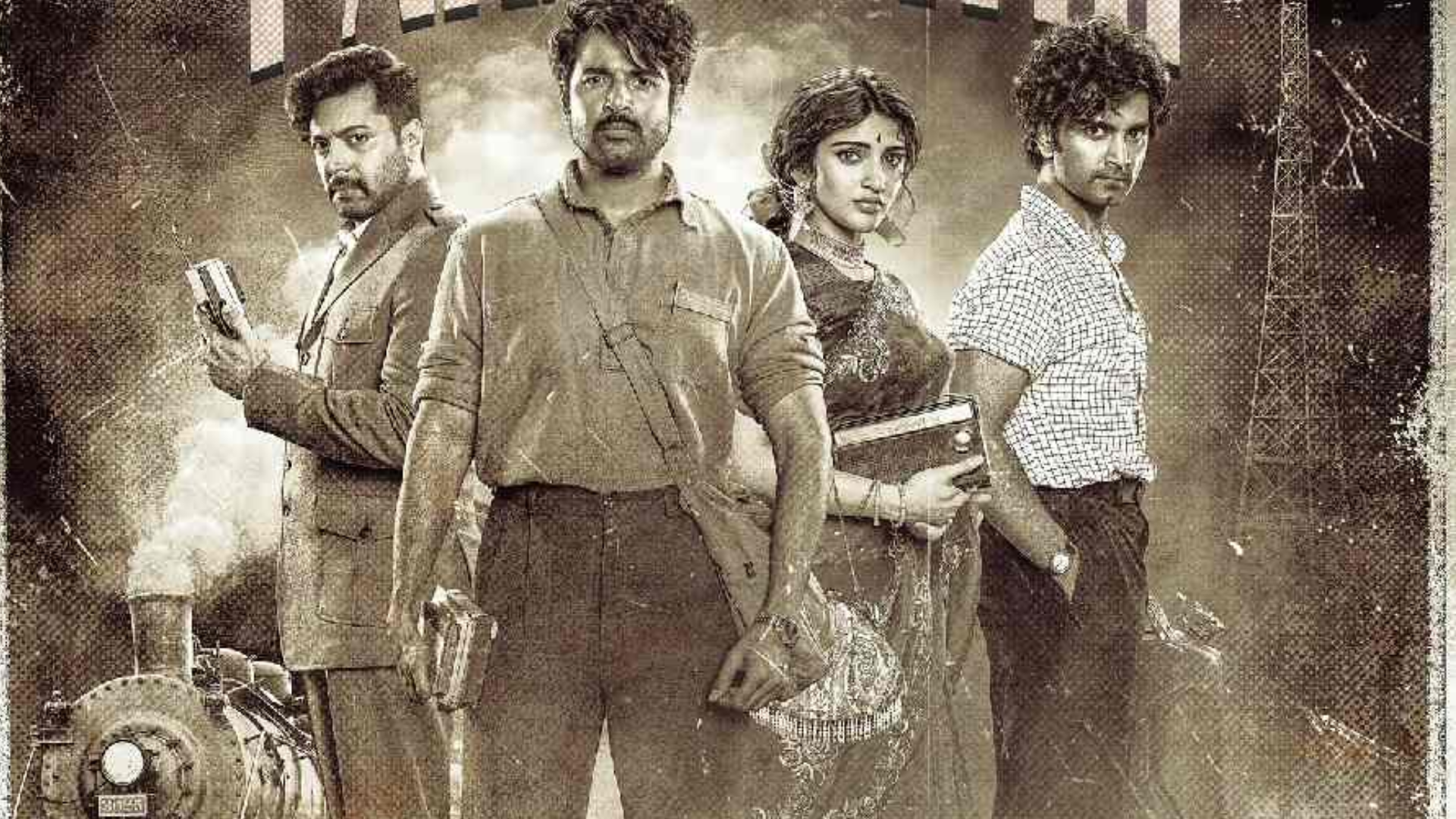
Parasakthi, a historical drama about the 1960s language movement, cleared its final hurdle just 48 hours before Pongal.
After a long wait, Sivakarthikeyan’s 25th film finally arrives in theatres today. The actor’s passion project about Tamil Nadu’s turbulent past received its UA 16+ rating from the censors barely two days ago, allowing the Pongal release to proceed as planned.
The film is produced by Dawn Pictures and distributed by Red Giant Movies. The makers pushed the announcement across social media on January 8, assuring anxious fans that screenings would begin on January 10. The 163-minute epic can now be watched in theatres across India and international markets.
Why This Film Almost Missed Pongal
The film was originally scheduled to open on January 14, but the producers wanted to move it to January 10 to capture maximum Pongal footfall. However, without censor clearance, advance ticket sales could not begin, and theatre owners were left waiting.
This wasn’t just Parasakthi’s problem. Vijay’s Jana Nayagan and other major Pongal releases also struggled with similar booking issues, creating frustration across the industry over approval timelines.
The Censor Board Controversy
CBFC officials watched the film on January 7 in Chennai. They flagged nearly 40 scenes they wanted changed or removed. Most of these involved the portrayal of the 1965 anti-Hindi protests, a politically sensitive chapter in Tamil history.
Director Sudha Kongara was unwilling to accept all the suggested cuts and took the matter to the CBFC’s Revising Committee, essentially seeking a second opinion. The gamble paid off when the committee took a more balanced approach and approved the film with a UA 16+ certificate, requiring viewers under 16 to watch with adult supervision.
Kongara later acknowledged the committee’s fairness, though other filmmakers, including Karthik Subbaraj, pointed out that the entire system needs improvement. Without keeping at least a three-month buffer before release, major films face unnecessary risks due to certification delays.
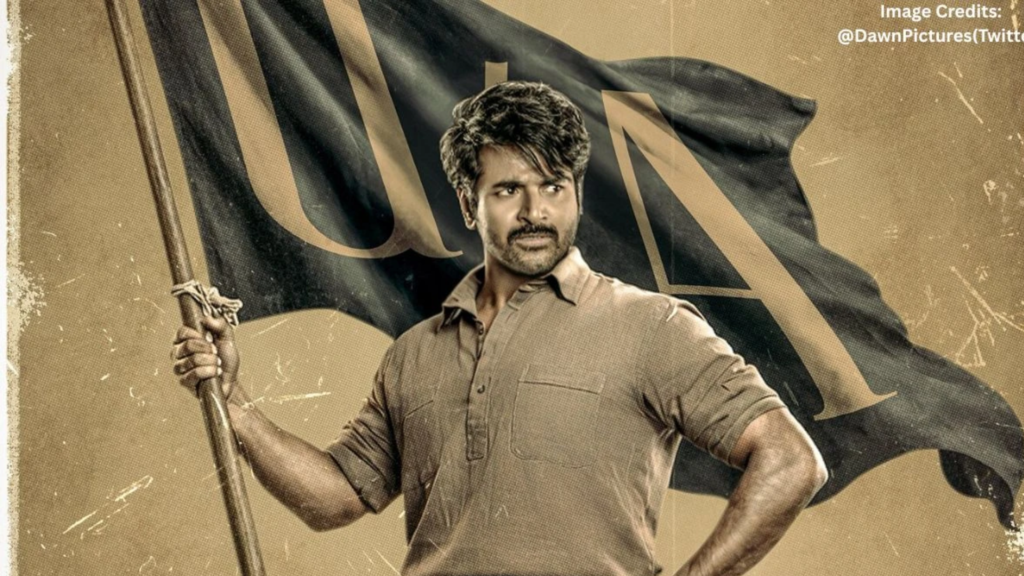
Parasakthi Story
Parasakthi transports viewers back to 1965, when Tamil Nadu became the centre of massive protests against making Hindi compulsory across India. The film imagines two brothers caught on opposite sides of this conflict.
Sivakarthikeyan plays Chezhiyan, while Jayam Ravi takes on the role of Thirunaadan. As streets turn violent and ordinary people take extreme actions to defend their language, the brothers’ relationship faces the ultimate test. One gets swept into the chaos, while the other continues his own mission through the political storm.
This was a real moment in Indian history when thousands took to the streets, with some even setting themselves on fire in protest. The central government eventually backed down and changed its language policy because of these events.
The Crew
Sudha Kongara, known for her powerful storytelling, directs the film. G.V. Prakash Kumar composed the music, Ravi K. Chandran handled cinematography, and Supreme Sundar choreographed the action sequences.
The cast extends beyond the two leads. Atharvaa plays Chinnadurai, while Sreeleela makes her Tamil film debut. Rana Daggubati appears in a brief role, and Chetan portrays legendary political leader C.N. Annadurai. The production travelled from Madurai to Sri Lanka and Pollachi to recreate the film’s historical atmosphere.
Where to Watch It Now
The film is now playing in cinemas across Tamil Nadu, India, and international markets through distributors like Red Giant Movies. Tickets are available on platforms such as BookMyShow, Ticketnew, Fandango (US), and local theatre apps, with shows running since morning screenings.
Why This Film Matters
Beyond the controversy and delays, Parasakthi represents something significant for Tamil cinema. It tackles a politically charged historical event that helped shape the state’s identity. The 1965 language protests are not just history—they are living memory for many older viewers and a crucial part of regional pride for younger generations.
The marketing team has been careful not to reveal too much of the plot, keeping major story beats under wraps. The promise is clear: this film aims to be both an engaging spectacle and a meaningful look at a defining moment in Tamil Nadu’s past.
Now that it’s finally in theatres, audiences can decide for themselves whether the film lives up to its ambitious goals.
