


Not all stories unfold through orderly narration and clear sequence. Some move the way thought itself moves—fragmented, associative, circling back, leaping forward, interrupted by memory and sensation. This narrative technique, known as stream of consciousness, attempts to capture the inner flow of a character’s mind rather than the outer logic of events.
In doing so, it transformed how literature represents reality.
What Is Stream of Consciousness?
Stream of consciousness is a mode of narration that records a character’s thoughts as they occur, often without clear grammatical structure or linear order. Sentences may run on, shift tense, or merge perception with memory. The aim is not clarity, but psychological authenticity.
The reader enters thought before it becomes speech.
From External Action to Inner Life
Traditional storytelling focused on what characters did. Stream of consciousness focuses on how they think. Sensory impressions, half-formed ideas, emotional undercurrents, and unconscious associations replace straightforward description.
Reality is filtered through awareness rather than action.
Time as Mental Experience
In this form, time is subjective. A single second may expand into pages of reflection; decades may surface in a flash of memory. Past and present coexist, revealing how consciousness collapses chronology.
The mind becomes the true setting of the story.
The Language of Thought
Inner life does not follow formal grammar. Stream of consciousness mimics this by bending syntax, abandoning punctuation, and allowing repetition and rhythm to carry meaning. The result is language that feels closer to sensation than to explanation.
Meaning emerges through texture rather than structure.
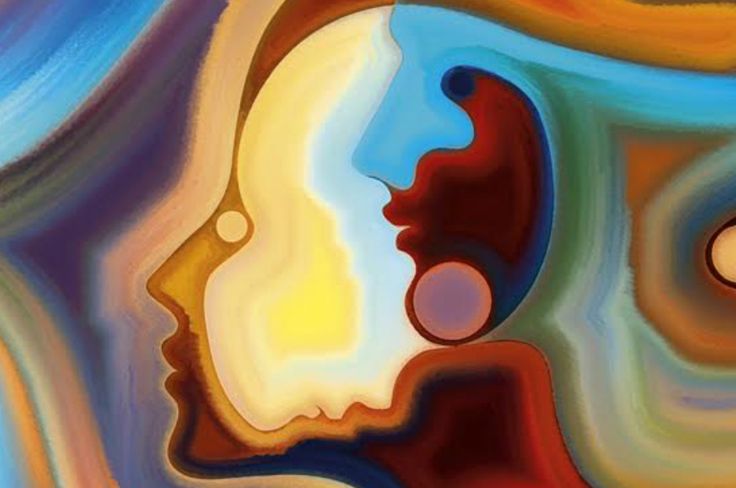
Why This Technique Matters
By giving form to inner experience, stream of consciousness made visible what had previously remained private: anxiety, desire, confusion, doubt, longing. It allowed literature to explore psychological depth with unprecedented intimacy.
The novel became a space of mental as well as social realism.
The Reader’s Role
Such writing demands patience and attention. The reader must navigate shifting perceptions and assemble coherence from fragments. This active engagement mirrors the effort of understanding another human mind.
Reading becomes an act of psychological listening.
Enduring Influence
Contemporary fiction continues to draw on this technique, especially in narratives dealing with trauma, memory, and identity. Its legacy lies in its insistence that inner reality is as complex and significant as the external world.
Thought itself becomes worthy of art.
Conclusion
Stream of consciousness redefined what literature could represent. By following the rhythms of the mind rather than the order of events, it revealed consciousness as a landscape rich with tension, contradiction, and meaning.
In tracing thought as it unfolds, literature learned how to write the invisible.
