

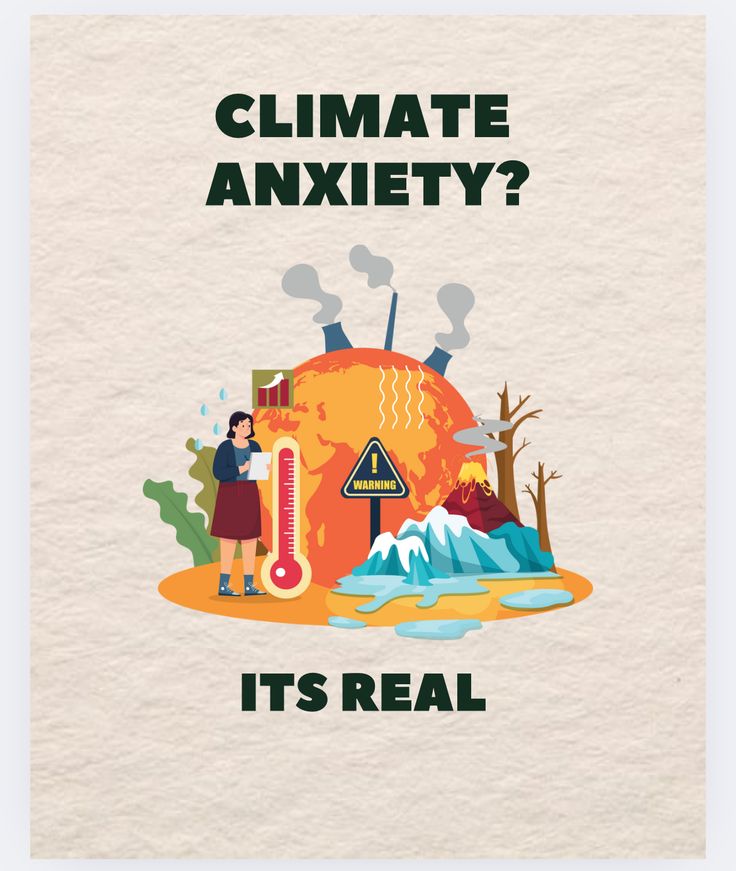
Climate change is no longer a distant environmental concern; it has become an emotional and psychological reality, especially for younger generations. Rising temperatures, extreme weather, and constant news of ecological collapse have produced a quiet but persistent condition now widely referred to as climate anxiety.
This is not simply fear of environmental disaster. It is a crisis of imagination.
Living with Permanent Uncertainty
For many young people, the future no longer appears stable or predictable. Careers, cities, relationships, and even survival are imagined under the shadow of ecological instability. The idea of “long-term planning” begins to feel fragile when the planet itself seems uncertain.
Climate anxiety is not a sudden panic; it is a low, continuous awareness that the world being inherited is already in crisis.
The Emotional Weight of Inaction
Perhaps the most distressing aspect of climate change is not the science, but the inaction. Political delay, corporate denial, and slow global response create a sense of powerlessness. Young people are told to be hopeful while being shown, repeatedly, that meaningful change is postponed.
This gap between knowledge and action generates frustration, grief, and a sense of betrayal.
Anxiety Without an Endpoint
Traditional anxieties often move toward resolution: an exam ends, a decision is made, a threat passes. Climate anxiety has no such closure. It stretches indefinitely, with no clear moment of safety in sight.
This makes it uniquely exhausting. The mind is asked to remain alert to a danger that does not recede.
Grief for a World Still Here
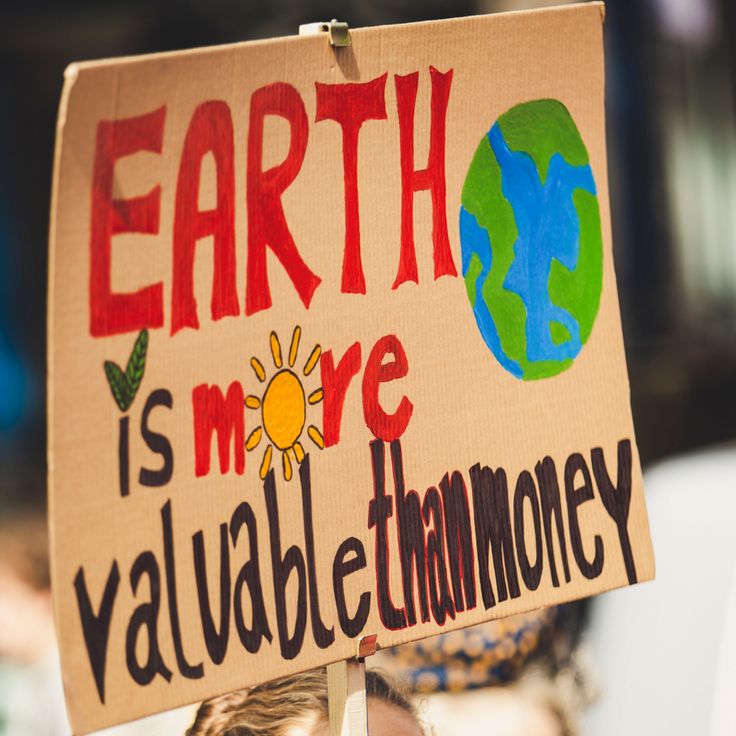
Climate anxiety is also a form of anticipatory grief: the mourning of landscapes, species, and ways of life that are disappearing but not yet gone. Forests burn, coastlines erode, seasons lose their rhythm. The loss is ongoing, slow, and difficult to name.
What is being grieved is not only nature, but the idea of a secure future.
Why This Anxiety Is Often Dismissed
Because climate anxiety does not always appear as visible distress, it is frequently minimised. It is framed as overreaction, pessimism, or youthful sensitivity. Yet it is a rational response to scientific reality.
To feel anxious about an unstable planet is not irrational; it is perceptive.
Finding Meaning Without Certainty
Many young people respond not by withdrawing, but by seeking purpose through activism, sustainable living, and community. These actions may not resolve the crisis, but they restore a sense of agency.
In a future that feels fragile, meaning becomes something that must be actively created.
Conclusion
Climate anxiety reveals more than environmental fear; it exposes a generational struggle to imagine continuity. When the future itself feels endangered, hope becomes a form of effort rather than assumption.
To acknowledge this anxiety is not to surrender to despair. It is to recognise that caring, in an age of ecological uncertainty, is itself an act of courage.
