

Bhutan is a small Himalayan kingdom known for its natural beauty, spiritual atmosphere, and simple way of life. Located between India and China, Bhutan is often called the “Land of the Thunder Dragon.” What makes Bhutan truly special is its focus on Gross National Happiness, which values well-being, culture, and nature more than material wealth. For travelers seeking peace, culture, and meaningful experiences, Bhutan is a perfect destination.
One of the biggest attractions of Bhutan is its untouched natural beauty. Snow-covered mountains, green valleys, flowing rivers, and clean air make the country feel calm and refreshing. Popular destinations like Paro, Thimphu, and Punakha offer scenic views and a slow travel experience. Unlike crowded tourist places, Bhutan feels quiet and organized, allowing visitors to truly connect with nature.
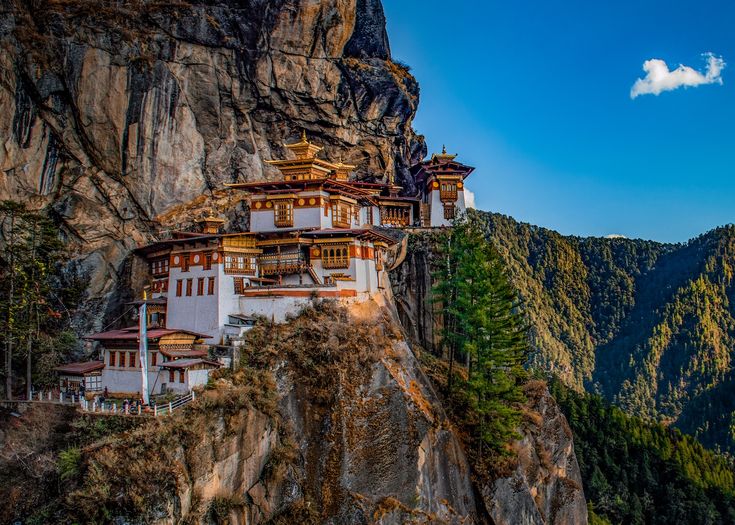
Bhutan is deeply rooted in Buddhist culture and spirituality. Monasteries, prayer flags, and dzongs (fortresses) are seen everywhere. The most famous landmark is Paro Taktsang, also known as the Tiger’s Nest Monastery, which sits on a cliff and offers breathtaking views after a scenic hike. Visiting monasteries like Punakha Dzong and Tashichho Dzong gives travelers insight into Bhutan’s traditions, beliefs, and peaceful lifestyle.
The cities in Bhutan are small but culturally rich. Thimphu, the capital city, blends tradition with modern life. There are no traffic lights in the city, and traditional clothing is commonly worn by locals. Local markets, handicraft shops, and museums help travelers understand Bhutanese art and heritage. Bhutan’s villages are equally charming, with traditional houses, farms, and friendly locals who welcome visitors warmly.
Food in Bhutan is simple and flavorful. The most popular dish is Ema Datshi, made with chilies and cheese. Rice, vegetables, and local spices are commonly used. Meals in Bhutan reflect the country’s simple lifestyle and close connection with nature. Eating local food adds to the cultural experience of traveling in Bhutan.
Bhutan follows a sustainable tourism policy, which helps preserve its culture and environment. Travelers are required to plan their trip through registered tour operators, which ensures responsible tourism. While this makes Bhutan slightly more expensive than other destinations, it also keeps the country clean, peaceful, and authentic.
In conclusion, Bhutan is not just a travel destination—it is an experience of calm, balance, and happiness. Its mountains, monasteries, culture, and values offer travelers a chance to slow down and reflect. A journey to Bhutan leaves visitors not only with beautiful memories but also with a sense of inner peace.
