

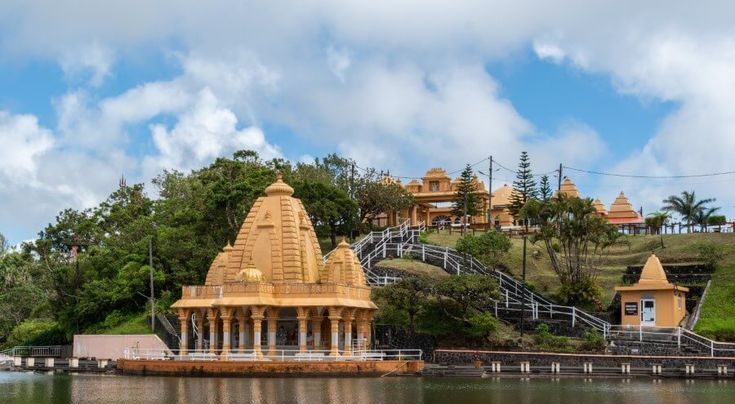
Mauritius, a small island nation in the Indian Ocean near the eastern coast of Africa, continues to draw global attention for its natural beauty, cultural diversity and steady economic progress. Despite its size, the country has built a reputation as a peaceful and well-managed society with strong tourism and service sectors.
The capital city, Port Louis, serves as the country’s main political and economic hub, hosting key government institutions, financial services and commercial activities.
Cultural Diversity and Social Harmony
Mauritius is widely recognised for its multicultural society. Communities of Indian, African, Chinese and European origin live together, creating a blend of traditions, languages and customs. Major religions, including Hinduism, Christianity, Islam and Buddhism, are practised across the island.
National celebrations reflect this diversity. Festivals such as Diwali, Eid, Christmas and Chinese New Year are observed collectively, highlighting the country’s culture of coexistence and mutual respect.
Economic Growth and Tourism
Mauritius has gradually transformed its economy over the decades. While agriculture, particularly sugarcane farming, once dominated livelihoods, the country has diversified into tourism, textiles, banking and information technology.
Tourism remains a key driver of economic activity, with visitors travelling from across the world to experience the island’s beaches, marine life and resorts. The sector supports employment and contributes significantly to national revenue.
Financial services and digital industries have also grown, positioning Mauritius as a regional economic hub.
Governance and Living Standards
Mauritius follows a democratic system and is often cited as one of the more politically stable nations in the region. Access to education and healthcare has improved over the years, contributing to a higher standard of living compared with many other island economies.
The country is frequently praised for its safety, cleanliness and administrative stability.
Environmental Concerns
Like many island nations, Mauritius faces environmental challenges. Climate change and rising sea levels pose risks to coastal areas, biodiversity and tourism infrastructure. Authorities and environmental groups continue to emphasise conservation and sustainable practices to protect the island’s natural ecosystems.
Preserving marine resources and managing environmental impact remain key priorities for the country’s long-term future.
Outlook
Mauritius represents a balance between natural heritage and economic development. Its cultural harmony, stable governance and diversified economy have strengthened its position as a model island nation.
As global attention on sustainability and tourism grows, Mauritius continues to navigate development while preserving its environment and social cohesion.
