

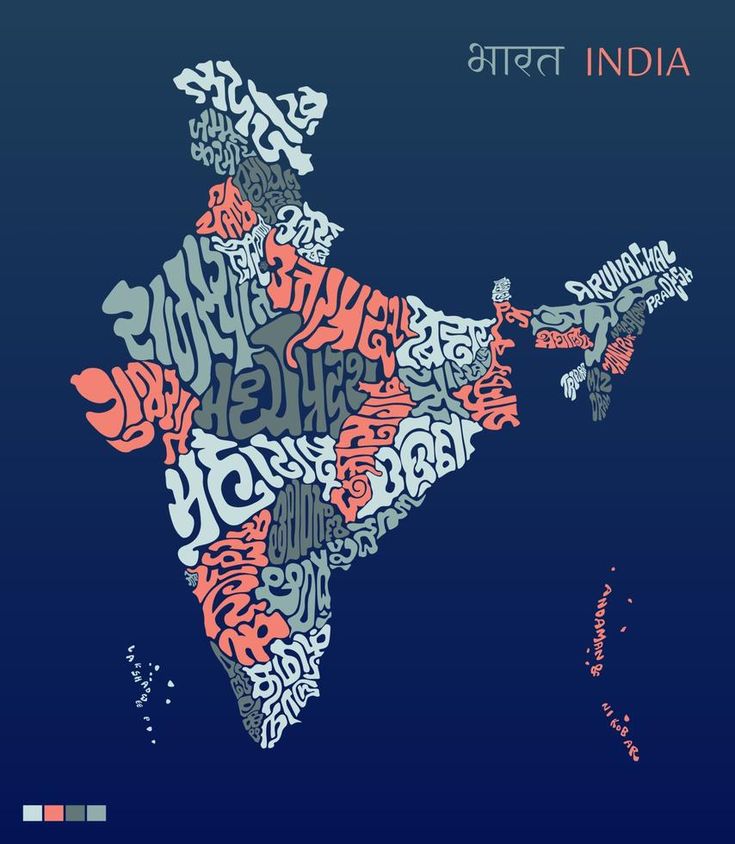
In recent years, translated literature has gained unprecedented visibility in India. From regional novels appearing on national bestseller lists to publishers actively investing in translation imprints, stories once confined to linguistic boundaries are now circulating widely. This growing interest reflects a cultural shift: readers are increasingly curious about narratives rooted in regions, languages, and experiences different from their own.
Translation, once considered peripheral in Indian publishing, is now becoming central to the country’s literary conversation.
A Long History, A New Momentum
India has always been multilingual, and translation has historically played a key role in literary exchange. However, earlier efforts often remained academic or limited in circulation. What distinguishes the current moment is scale. Contemporary publishers, digital platforms, and literary festivals are actively promoting translated works to mainstream audiences.
This change aligns with a broader recognition that Indian literature cannot be represented by a single language or tradition.
Why Readers Are Turning to Translated Works
One reason for the rise in translated literature is reader fatigue with familiar narratives. English-language publishing, particularly in urban markets, has often been criticised for repeating similar themes. Translated fiction, by contrast, offers new social realities, storytelling traditions, and cultural contexts.
For many readers, translation becomes a way to access stories that feel both local and unfamiliar.
The Role of Publishers and Literary Platforms
Publishers now view translation not as a risk, but as an opportunity. Dedicated translation series, prize recognition, and media coverage have contributed to this shift. Online platforms and independent bookstores have further helped by curating translated titles and introducing them to younger readers.
Translation has also benefited from digital publishing, which reduces distribution barriers and expands reach.
Challenges of Representation and Accuracy
Despite its growth, translated literature faces challenges. Questions around fidelity, cultural nuance, and translator visibility remain unresolved. Translators often receive limited recognition despite their interpretive role in shaping the final text.
As demand grows, so does the responsibility to ensure ethical and thoughtful translation practices.
What This Means for Indian Literature
The rise of translated literature signals a more inclusive literary future. It challenges the dominance of a single literary language and allows multiple voices to coexist within the national imagination. In doing so, it reshapes how Indian literature is defined—not as a monolith, but as a network of intersecting traditions.
Translation does not dilute literature; it expands it.
Conclusion
The growing popularity of translated literature in India reflects a changing readership—one that values diversity, depth, and authenticity. As more stories cross linguistic borders, Indian literature moves closer to representing the complexity of the society it emerges from.
