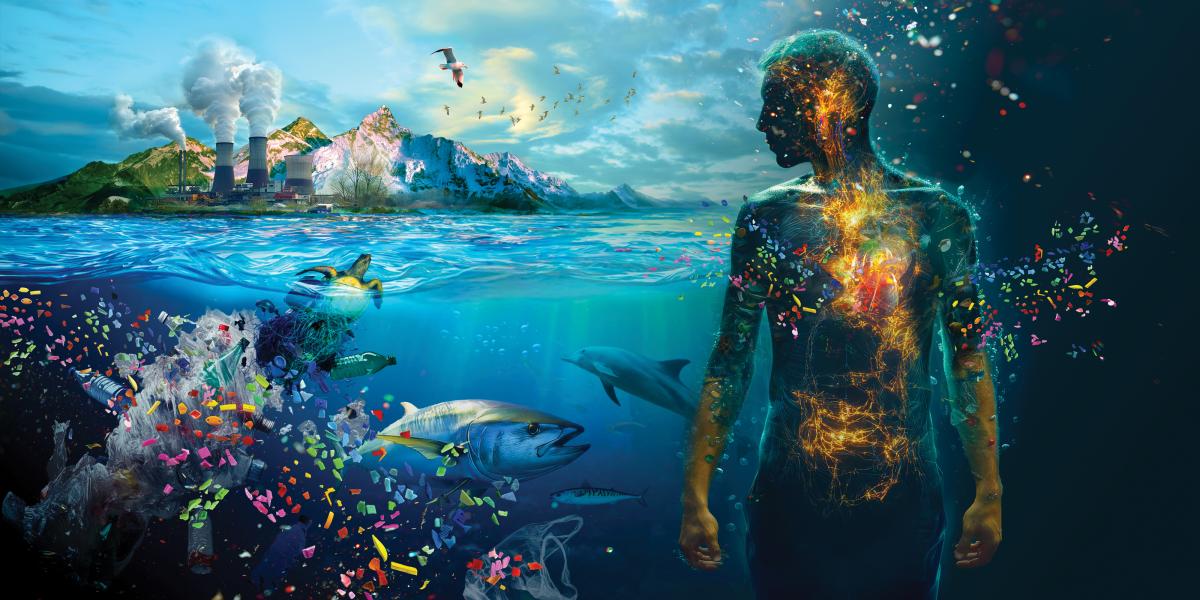
Microplastics are among the most dangerous environmental threats of our time, not because they are dramatic or rare, but because they are everywhere and largely invisible. Measuring less than five millimetres, these tiny plastic particles have quietly entered our water, food, air, and even our bodies. Unlike visible plastic waste that draws attention, microplastics operate silently, causing long-term and often irreversible damage to ecosystems and human health.
Plastic does not biodegrade; it only breaks into smaller fragments. As a result, every plastic product ever manufactured continues to exist in some form. Microplastics are the final stage of this breakdown, and once they enter the environment, they remain there indefinitely.
Spread of Microplastics and Environmental Damage
Microplastics originate from everyday sources such as plastic packaging, synthetic clothing, cosmetics, tyre abrasion, and industrial waste. They flow into rivers, oceans, agricultural soil, and even the air we breathe. Marine organisms frequently mistake these particles for food, leading to ingestion across species and across trophic levels.
This widespread consumption disrupts natural biological processes. Microplastics can block digestive systems, reduce nutrient intake, and impair growth and reproduction in animals. Over time, this contamination threatens biodiversity, weakens aquatic ecosystems, and destabilizes food chains that humans also depend upon.
Microplastics and Human Health Risks
The most alarming development is the discovery of microplastics inside the human body. Scientific studies have detected them in drinking water, salt, seafood, fruits, vegetables, lungs, blood, and even the placenta. Although long-term research is ongoing, early findings indicate links to inflammation, hormonal imbalance, immune disruption, and cellular damage.
Microplastics also act as carriers for toxic substances. They absorb harmful chemicals such as heavy metals, pesticides, and industrial pollutants. When these contaminated particles enter the human body, they may release these toxins, increasing the risk of chronic diseases. The long-term health consequences remain uncertain, but the scale of exposure alone makes this a serious public health concern.
Ethical, Social, and Cultural Implications
The microplastics crisis highlights a significant ethical failure of modern society. Convenience has been prioritised over sustainability, allowing single-use plastics to dominate daily life. Corporations continue mass production, while responsibility is shifted onto individuals through limited recycling initiatives that fail to address the core problem.
This issue also raises questions of environmental justice. Marginalised communities suffer the most due to polluted water sources, contaminated food, and lack of access to alternatives. Microplastics represent an intergenerational injustice, as future generations will inherit the consequences of today’s unchecked plastic consumption.
The Limits of Recycling and Technological Fixes
Recycling is often presented as the solution to plastic pollution, but it offers limited relief. Not all plastics are recyclable, and recycled plastics continue to shed microplastics. Cleanup technologies focus on surface-level waste and cannot effectively remove microscopic particles once they are dispersed.
This creates a false sense of control, encouraging continued plastic use under the assumption that future technology will solve the problem. In reality, microplastic pollution is largely irreversible once introduced into natural systems.
Conclusion
Microplastics are harmful because they are invisible, persistent, and underestimated. They damage ecosystems, threaten human health, and expose flaws in how society produces and consumes materials. Addressing this crisis requires stricter environmental regulations, corporate accountability, and a collective shift away from plastic dependency.
Ignoring microplastics will not make them disappear. They are already embedded in our environment and our bodies. The fight against microplastics is not a distant environmental concern but an urgent necessity to protect public health, ecological balance, and future generations.