

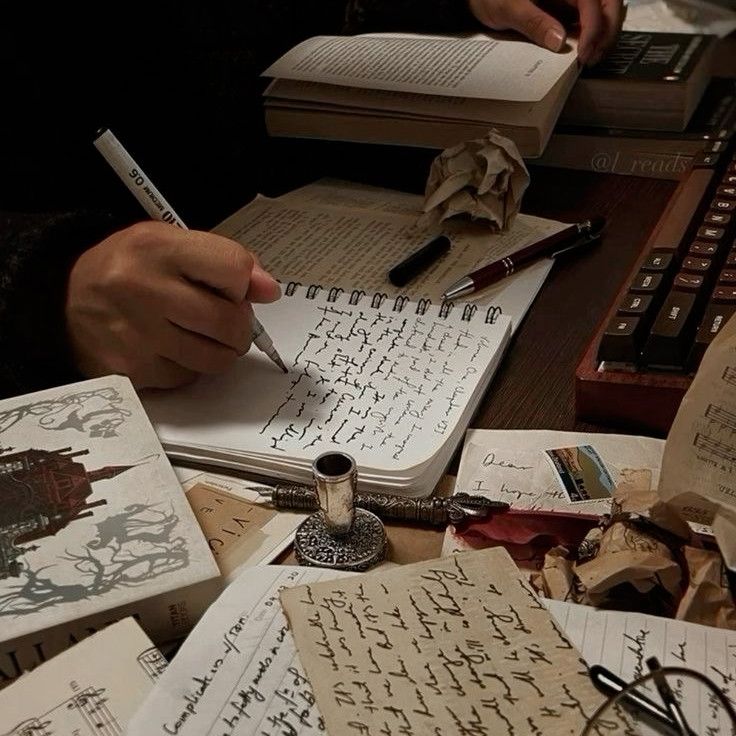
Before a story truly begins, many novels pause to offer a borrowed voice. A line from a poem, a fragment of philosophy, a verse from scripture, or a sentence from another novel appears quietly on the first page. This epigraph may seem ornamental, yet it often carries interpretative weight.
Epigraphs are not decoration. They are invitations to read in a particular key.
Setting the Emotional Temperature
An epigraph establishes mood before character or plot appear. A tragic line prepares the reader for loss. A mythic reference suggests archetype. A political quotation frames the narrative as commentary rather than mere story.
In a few lines, the emotional climate of the entire text is suggested.
Creating Intertextual Conversation
By placing another text at the threshold of their own, authors situate their work within a literary lineage. The novel begins not in isolation, but in dialogue, with history, philosophy, religion, or earlier fiction.
This layered conversation deepens meaning. The story does not speak alone; it echoes.
Guiding Interpretation Without Explaining
Epigraphs often function as subtle signposts. They do not summarise the narrative, but they hint at its concerns: time, memory, power, identity, exile, desire. When the reader later encounters these themes, the opening quotation returns with renewed significance.
The epigraph teaches the reader how to read without instructing them directly.

Irony and Tension
Sometimes the epigraph contradicts the story that follows. A hopeful line may precede tragedy; a moral statement may introduce moral collapse. This tension generates irony, forcing the reader to question the relationship between ideal and reality.
In such cases, the epigraph becomes a quiet argument rather than an explanation.
Cultural Authority and Borrowed Weight
Quoting canonical texts lends gravity. Sacred scripture, classical poetry, or philosophical aphorisms bring inherited authority into the novel. The story borrows resonance, aligning its private world with collective memory.
Yet this authority can also be challenged, reinterpreted, or subverted.
Why Epigraphs Linger
Often, the epigraph is understood only after the book is finished. Its meaning unfolds retroactively. What once seemed obscure becomes clarifying. The opening returns at the end, completing a silent circle.
This delayed recognition is part of its power.
Conclusion
Epigraphs are thresholds. They prepare the reader not with summary, but with suggestion. In a few borrowed lines, they expand the novel’s intellectual and emotional horizon, reminding us that every story enters an ongoing conversation.
Before the first sentence begins, the book has already started speaking.
