

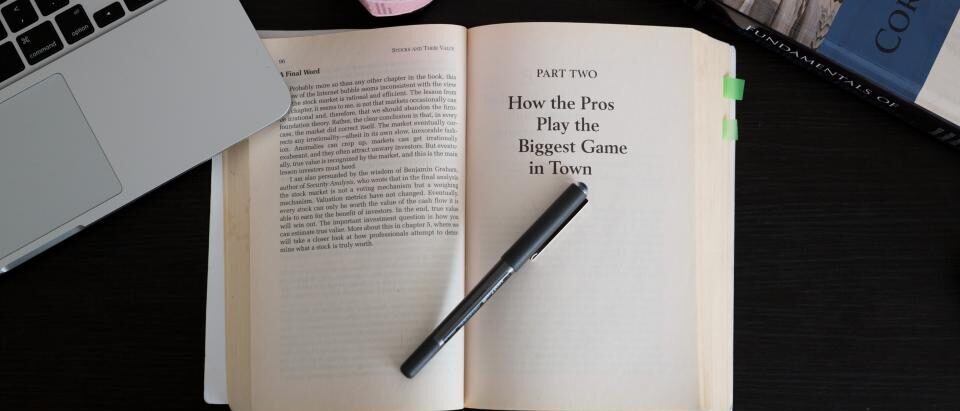
The first time we read a book, we are often impatient with it. We want to know what happens, look for meaning, direction, payoff. We move forward, trusting the narrative to carry us somewhere worth arriving at.
The second reading is different. It is quieter. Less hopeful, perhaps, but more honest.
Reading for the First Time Is an Act of Faith
A first reading depends on trust. We surrender time without knowing whether the text will reward it. Characters are strangers. Motifs are invisible. Sentences are absorbed quickly, sometimes carelessly.
In this stage, reading is dominated by plot. We read to reach the end.
This is not a flaw. It is how stories first claim us. But it is also a limited way of knowing a text.
Rereading Is an Act of Recognition
When we return to a book, suspense dissolves. We already know what will happen. What remains is texture: rhythm, silence, repetition, hesitation.
Details that once seemed incidental begin to surface. A passing line suddenly feels weighted. A minor character lingers. The emotional centre of the book quietly shifts.
Rereading reveals what the first reading could not afford to notice.

The Reader Has Changed
No book remains the same between readings, because the reader does not. Time intervenes. Experience intervenes. Loss intervenes.
A scene once read as romantic may now feel fragile. A character once admired may appear cruel or cowardly. Rereading exposes not only the text’s layers, but the reader’s evolution.
In this sense, rereading is less about literature and more about self-confrontation.
Why Rereading Is Undervalued
Contemporary reading culture privileges novelty. New books, new voices, new recommendations. Rereading appears indulgent, even stagnant, as though returning to a text signals a lack of curiosity.
But this misunderstands what rereading offers. It is not repetition; it is deepening. It resists the idea that reading is a task to be completed rather than a relationship to be sustained.
Texts That Ask to Be Returned To
Some books exhaust themselves after one encounter. Others seem to wait. They withhold clarity. They refuse to give everything at once.
These are not always the most dramatic or accessible works. Often, they are quiet, uneven, or unresolved. Their power lies not in immediate impact, but in durability.
Such books do not end when we finish them. They pause.
Rereading as Resistance
To reread is to slow down in a culture that rewards constant consumption. It rejects the pressure to move on. It values familiarity over discovery.
In returning to a text, the reader claims time, not to progress, but to dwell.
Conclusion
The first reading introduces us to a book. The second allows us to live with it.
Literature does not reveal itself fully on first encounter. It waits for readers willing to return—not to find new answers, but to ask better questions.
Sometimes, the most meaningful reading begins only after the ending.
