

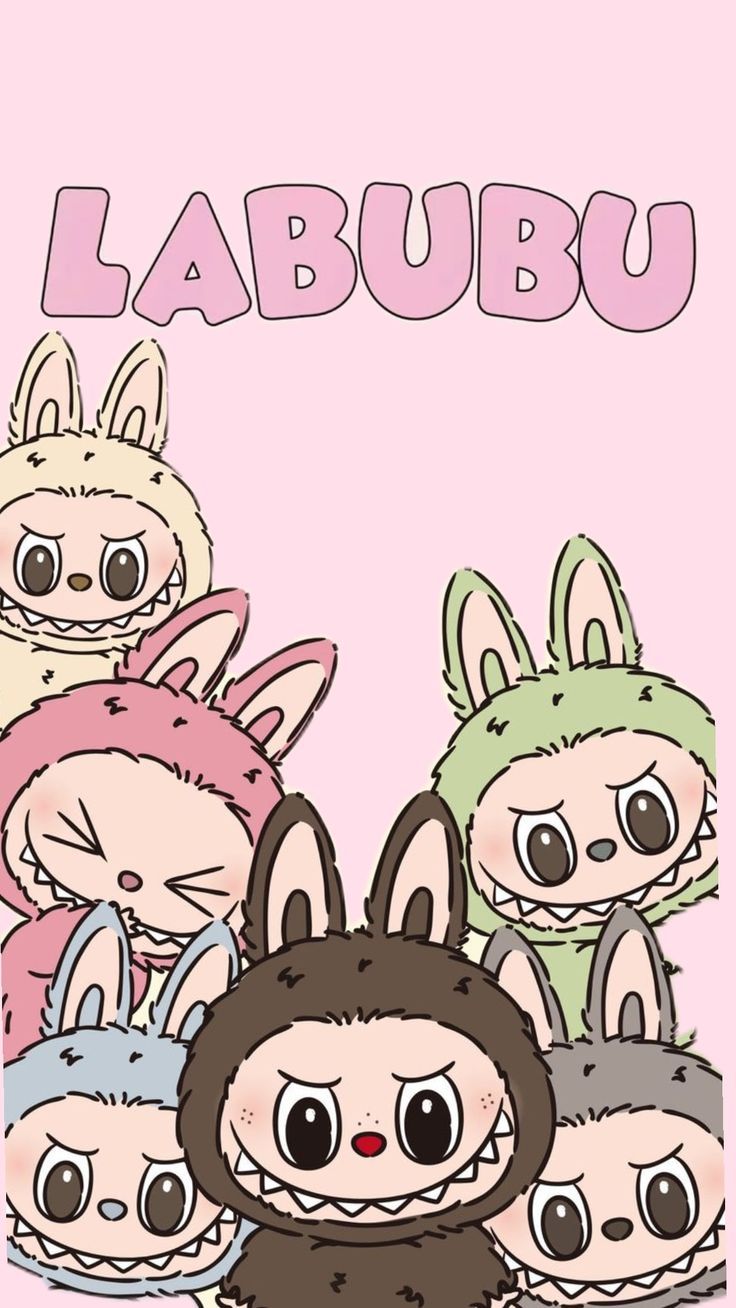
Every year seems to crown an unlikely cultural figure—an image, a phrase, a joke that escapes its origin and embeds itself into collective consciousness. Last year, Labubu joined that lineage. At first glance, it appears frivolous: absurd, exaggerated, and unserious. Yet meme culture has never been merely about laughter. It is one of the most immediate forms through which societies process anxiety, power, and contradiction.
Humour, especially on the internet, often arrives before language does.
Why Memes Matter
Memes operate on speed and recognition. They compress complex emotions—frustration, cynicism, despair—into a single frame. In a country like India, where public discourse is often filtered through institutions, memes offer an alternative vocabulary. They allow people to respond without explaining, to critique without confrontation.
Labubu’s popularity lies not in meaning, but in adaptability. It can be ironic, critical, affectionate, or dismissive—all at once. This ambiguity is its strength.
Laughter as a Coping Mechanism
The rise of meme culture coincides with an era marked by instability—economic pressure, political fatigue, climate anxiety, and digital exhaustion. When seriousness becomes overwhelming, humour becomes survival. Memes soften realities that might otherwise feel unbearable.
They do not solve problems, but they make them speakable.
From Entertainment to Commentary
What distinguishes meme culture from traditional satire is accessibility. Satire often assumes education, context, and patience. Memes demand none. They travel freely across language, class, and region, flattening hierarchies of expression.
In this sense, memes democratise commentary. Anyone can participate; no authority is required.
The Risk of Ephemerality
Yet meme culture is not without limitation. Its reliance on speed often sacrifices depth. Outrage is consumed quickly, critique dissolves into repetition, and meaning risks becoming disposable. What is viral today is forgotten tomorrow.
This raises a crucial question: does meme culture challenge power, or does it merely distract from it?
Humour as Archive
Despite their fleeting nature, memes function as cultural archives. They record collective moods—what made people laugh, what they feared, what they could not say directly. In hindsight, memes often explain eras better than official narratives.
The Labubu, like many memes before it, may fade. But its moment matters.
Taking Laughter Seriously
To dismiss meme culture as trivial is to misunderstand its function. Internet humour reflects the pressures of the present more honestly than many formal discourses. It is fragmented, ironic, overstimulated—much like contemporary life itself.
The year of Labubu reminds us that humour is not the opposite of seriousness. It is often its most revealing expression.
